
Key Takeaways
- Choosing a non-invasive vagus nerve stimulation device involves weighing device-specific evidence, comfort, adjustability, safety, and everyday usability rather than relying on general vagus nerve research alone
- Ear-based stimulation works through branches in the outer ear, while neck-based stimulation often requires more precise placement and higher intensity because the vagus nerve sits deeper there
- Mild, temporary side effects like ear discomfort, headache, or tingling have been reported with ear-based stimulation, and evidence on rare problems remains limited
- These devices work best as a possible support alongside anxiety treatment rather than a substitute for it – the safety considerations and daily-routine details below are worth reviewing before choosing one
Anxiety and ongoing stress have pushed more people to look for tools that work alongside daily life rather than disrupt it. Non-invasive vagus nerve stimulation has become one of the more talked-about options, but the category now includes a wide range of devices with different designs, levels of evidence, and price points. Making a sound choice, then, means looking past marketing language and comparing the details that actually matter for comfort, safety, and results.
Ear vs. Neck: Why Placement Matters
Non-invasive vagus nerve stimulation can reach the vagus nerve through the skin at two main sites: the outer ear or the side of the neck. These are different anatomical pathways, and the choice between them affects how a session feels and how practical it is to use regularly.
Because the vagus nerve sits deeper in the neck, cervical devices often call for more precise placement and higher stimulation intensity to reach it effectively. That can make sessions feel more intense and raises the stakes for getting positioning right every time.
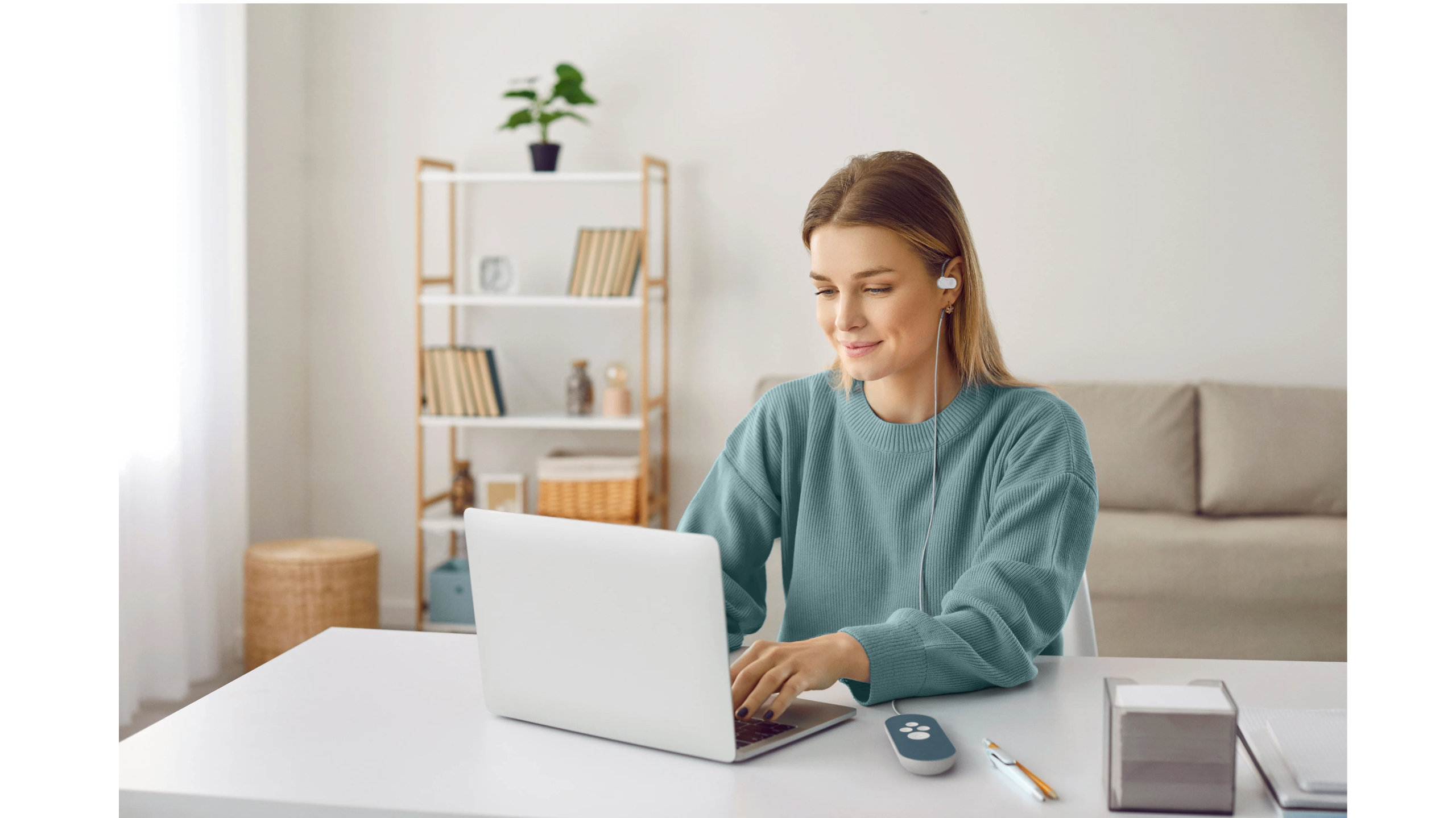
Meanwhile, auricular devices, which stimulate nerve branches in the outer ear, are generally designed to be lightweight and wearable, aiming for a gentler experience that fits more naturally into a daily routine. Neither approach suits every person equally, but the practical differences in intensity and wearability are worth understanding before buying.
Why Stress Keeps the Body on Alert
Stress does not stay confined to the mind. It shows up physically, through muscle tension, a racing heartbeat, shallow breathing, or a nervous system that seems to stay switched on long after the stressful moment has passed. For many people, this state of alertness becomes the default rather than the exception, making it harder to wind down even during quiet moments meant for rest.
The vagus nerve plays a central role in this picture because it connects to the parasympathetic nervous system, the body’s rest-and-recover state. When that system struggles to engage, recovery slows down and stress tends to compound rather than resolve. This is part of why interest in vagus nerve stimulation has grown. Rather than relying on sedation, these devices are built around supporting the body’s own calming pathways.
Slow, paced breathing is a non-device option worth knowing about too, though breathing too deeply or too quickly can occasionally cause light-headedness, which is a reminder that even simple techniques deserve some attention to technique.
What to Check Before Choosing a Device
With so many products claiming to calm the nervous system, a short checklist can separate devices built on real research from those built mostly on wellness branding.
Device-Specific Evidence, Not General Claims
General research on the vagus nerve is not the same as evidence for a specific product. Before buying a nerve-stimulation device, it makes sense to look for peer-reviewed data tied to that exact device. A systematic review of ear-based stimulation found no difference in adverse-event risk between active stimulation and control conditions, which is a useful data point, but it still speaks to a category of devices rather than any single product.
A preliminary single-arm study testing at-home ear-based stimulation for generalized anxiety found the approach feasible and generally well tolerated. That said, the study’s design cannot establish that the stimulation itself caused the changes observed, since there was no comparison group. This distinction matters: feasibility and tolerability are meaningfully different from proof of effectiveness, and a careful shopper should notice which claim a given piece of research is actually making.
Comfort, Adjustability, and Daily Fit
Nerve sensitivity varies quite a bit from person to person, so adjustable intensity settings matter more than they might seem at first glance. A device that lets someone dial stimulation up or down helps avoid the discomfort that comes from a one-size-fits-all setting. In one clinical trial of low-intensity stimulation for anxiety-related symptoms, users were guided to place the stimulation pad just above the ear canal and adjust it until it felt moderately snug but not painful, which illustrates how much individual calibration can affect comfort.
Clear instructions for placement and session length also make a real difference in whether a device gets used consistently. A home-use device should offer straightforward placement guidance and controls that are simple enough to use without constant troubleshooting, since a device that feels confusing tends to end up in a drawer.
Hidden Costs and Clear Instructions
Beyond the upfront price, it helps to ask whether a device requires ongoing costs such as gel refills or an app subscription. Recurring expenses can add up over time and should factor into any comparison between stress-relief devices, alongside the stimulation approach itself, the feature set, and personal budget constraints. Checking this detail before purchase avoids an unpleasant surprise a few months in.
Safety Considerations Worth Knowing
Non-invasive vagus nerve stimulation is an emerging field, and evidence on safety and effectiveness for most home-use devices remains incomplete. That does not mean these devices are unsafe, but it does mean caution and realistic expectations are warranted.
Common Mild Side Effects
For ear-based stimulation, reported side effects include ear pain, headache, and tingling. Many studies in this area did not report side effects at all, which leaves some uncertainty about how often rarer problems might occur. In the preliminary at-home anxiety study mentioned earlier, device-related effects were mostly mild and temporary, including skin irritation, tingling discomfort, headache, dizziness, and nausea. These effects are generally short-lived, but anyone experiencing persistent or worsening symptoms should stop use and reassess.
Who Should Check With a Doctor First
External vagus nerve stimulation devices warrant extra caution for people who are pregnant or who have heart or vocal-cord concerns. A healthcare professional is well positioned to help assess whether a particular device is a reasonable fit given someone’s individual health history.
Separately, a clinical review of non-invasive stimulation for cluster headache noted that a particular device is contraindicated for people with active implantable medical devices or for simultaneous use with another stimulation device, a reminder that device-specific contraindications can exist even within a broader category considered generally low-risk.
Fitting Stimulation Into a Daily Routine
Consistency tends to matter more than intensity for nervous system support. Many people build stimulation sessions into moments that already exist in their day rather than treating it as an extra chore.
- Reading time, where a short session can run quietly in the background
- Quiet evening routines, winding down before bed
- Right after work, as a transition from a high-demand environment to home
- During meditation or other decompression practices
- End-of-day routines focused on mental and physical settling
Fitting a device into an existing habit, rather than trying to build an entirely new one, makes regular use far more realistic. A device that requires complicated setup or an inconvenient time commitment is less likely to stick, regardless of how strong the underlying research looks on paper.
These Devices Support, Not Replace, Anxiety Treatment
Evidence is not yet sufficient to establish how well wearable vagus nerve stimulation devices treat mental health conditions such as anxiety. For stress relief specifically, non-invasive vagus nerve stimulation works best as a possible longer-term support tool rather than a guaranteed way to feel calmer right away. Anyone managing clinically significant anxiety should continue working with a healthcare provider and treat a stimulation device as a complement to that care, not a substitute for it.
Following manufacturer guidance closely and raising any medical concerns with a healthcare professional before starting regular use are reasonable steps regardless of which device someone chooses.
Nuropod is classified by the FDA as a non-designated risk device and is not intended to diagnose, treat, cure, or prevent any disease. Clinical research referenced in this article was conducted using Parasym’s neuromodulation technology under research conditions; individual results may vary. All percentage figures cited reflect findings from specific study populations and should not be interpreted as guaranteed outcomes for all users.
Nuropod by Parasym
press@nuropod.com
2108 N Street
Sacramento
California
95816
United States