SHANTOU, GUANGDONG, CHINA, November 19, 2026 /EINPresswire.com/ — Operating an effective international fishing net supply program requires manufacturers to adapt netting specifications, material formulations, and structural designs to the diverse operational conditions of global commercial fisheries.
Commercial fleet operators, marine chandleries, and regional fishing cooperatives operate across distinct marine environments, from sub-polar offshore grounds to tropical coastal zones. Supplying these varied markets successfully requires deep technical understanding of local vessel types, regional harvesting practices, and specific species behaviors.
Moving Beyond Geographic Labels to Fishery-Specific Requirements
Broad geographic categorizations fail to capture the technical nuances required for commercial marine netting. Professional gear engineering demands evaluating objective operational parameters rather than applying standardized solutions to diverse coastal regions.
Operational Profiling for Regional Fisheries
Vessel characteristics, engine horsepower, winch hauling capacities, and deck layout directly influence netting performance. A trawler operating in heavy swell requires different mesh tenacity and selvage reinforcement than an artisanal canoe deploying gill nets in sheltered coastal lagoons. Aligning gear dimensions with vessel power prevents net blowouts and engine strain.
Harvesting depth and target species morphology determine essential netting attributes. Pelagic species requiring clean gill net entangling demand fine, flexible filaments with minimal water resistance, whereas demersal fisheries targeting abrasive bottom species necessitate heavy twine constructions capable of enduring continuous seabed friction. Selecting calibrated filament diameters preserves catch quality and prevents unneeded gear damage.
Accounting for Hydrodynamic Drag and Biomass Loads
Dynamic ocean currents and seasonal water density variations impose differing hydrodynamic loads on deployed gear. Engineering teams analyze water flow resistance through net webbing to ensure gear maintains its intended geometric opening under active towing speeds. Controlled mesh opening geometry ensures uniform water filtration across entire panel assemblies.
Properly engineered mesh openings reduce vessel fuel consumption by minimizing towing resistance while preventing water turbulence that frightens schooling fish away from net mouths. Matching mesh geometry to vessel towing capacity optimizes overall fishing performance and keeps operating costs predictable across fishing seasons.
How Regional Environmental Factors Shape Netting Material Selection
Marine environmental variables dictate how synthetic polymers perform over extended fishing campaigns. Temperature fluctuations, salinity levels, benthic topography, and solar radiation directly govern material selection for regional netting programs.
Water Temperature, Salinity, and Polymer Tenacity
Surface and benthic water temperatures alter the flexibility and tensile response of synthetic fibers. Polyamide nylon provides excellent shock absorption and wet knot strength in temperate and cold marine environments, absorbing dynamic wave loads during intensive vessel hauling. Its natural elasticity protects knots when sudden ocean surges strike hauling gear.
In warm, high-salinity waters, synthetic polymers face accelerated chemical degradation and biological fouling. Polyethylene formulations deliver outstanding resistance to biological growth, maintain structural stiffness, and offer zero moisture absorption, making them exceptionally durable in tropical fisheries. Smooth yarn surfaces make cleaning and drying webbing straightforward between fishing trips.
Seabed Topography and Solar Exposure Resistance
Rough seabed contours featuring rock outcroppings, coral heads, and coarse shell gravel cause severe chafing on bottom trawls and demersal gill nets. Utilizing specialized polymer blends with enhanced abrasion resistance prevents premature fiber splitting along net lower panels. Extra protective chafer strips shield expensive webbing from high-friction contact points.
Intense ultraviolet radiation in tropical and equatorial regions accelerates polymer photo-oxidation. Incorporating premium hindered amine light stabilizers during yarn extrusion preserves tensile breaking strength and prevents filament embrittlement during extended sun exposure on vessel net drums. High-grade additives ensure netting maintains designed breaking tenacity year after year.
Navigating Regional Regulatory Standards and Conservation Policies
Commercial fishing operates within rigorous regulatory frameworks designed to protect marine ecosystems and rebuild fish populations. Gear manufacturers must engineer netting that complies fully with regional fishery management mandates.
Mesh Selectivity and Minimum Opening Compliance
Regional conservation bodies enforce strict minimum mesh size regulations to permit juvenile fish escape and prevent indiscriminate harvesting. Manufacturing processes must guarantee precise mesh dimensions under standardized tension testing to ensure full regulatory compliance. Precision heat-setting locks knot positions, preventing mesh distortion under heavy biomass loading.
Bycatch Mitigation and Documentation Traceability
Incorporating selective fishing hardware such as square mesh escape windows, turtle excluder devices, and sorting grids requires seamless integration between machine netting panels and custom rigging components, ensuring gear meets statutory conservation rules. Rigorous factory testing verifies that escape panels maintain calibrated dimensions under towing tension.
Export documentation must include detailed technical datasheets confirming polymer origin, twine denier, stretched mesh measurements, and knot breaking strength. This documentation simplifies customs clearance and assists port authorities in verifying gear compliance. Providing traceable batch certificates protects fleet operators from regulatory delays during port inspections.
Technical Alignment Across Regional Target Markets
Supplying commercial fisheries worldwide requires matching manufacturing capacity to the distinct priorities of regional marine hubs, delivering task-specific netting across established international trade lanes.
African and Middle Eastern Marine Gear Specifications
In West and Central African commercial fisheries, key target markets include Ghana, the Democratic Republic of the Congo, the Republic of the Congo, Rwanda, Nigeria, and Tanzania. Distributors in these regions require durable, cost-effective monofilament and multifilament netting tailored for artisanal marine and inland freshwater fisheries. Supplying convenient roll lengths and pre-hung panels supports local harbor communities efficiently.
Operating under the established trade brand CARPFISHING, the enterprise delivers specialized netting solutions engineered to withstand demanding marine operating conditions across international fishing grounds.
Middle Eastern fisheries in the Gulf and Arabian Sea demand high-strength multifilament netting with exceptional thermal stability to withstand elevated water temperatures and intense solar radiation, supporting both offshore pelagic fleets and coastal barrier fisheries. Specially treated dark green and blue filaments blend naturally into regional waters.
Southeast Asian and North American Fleet Priorities
Southeast Asian commercial fisheries prioritize lightweight, abrasion-resistant polyethylene and nylon netting capable of enduring heavy monsoon currents, serving coastal trawlers, purse seiners, and large-scale open-water aquaculture enclosures. Rot-resistant synthetic twines prevent fiber breakdown in humid equatorial conditions.
North American commercial fleets demand certified high-tenacity nylon netting conforming to strict regulatory mesh standards, designed for cold-water groundfish trawling, salmon purse seining, and heavy offshore crab pot bait containment. Tight manufacturing tolerances ensure netting satisfies strict domestic licensing standards.
Structuring a Region-Specific Procurement Dialogue
Commercial gear distributors, port chandleries, and fleet sourcing agents achieve optimal supply outcomes by initiating structured technical dialogues with manufacturing engineering teams prior to seasonal purchasing cycles.
Technical Parameter Definition for Sourcing Inquiries
Providing clear parameters regarding target fishing grounds, catch species, vessel dimensions, and local regulatory mesh thresholds enables technical specialists to formulate tailored netting specifications that optimize vessel productivity. Direct consultation eliminates guesswork and accelerates pre-production sample development.
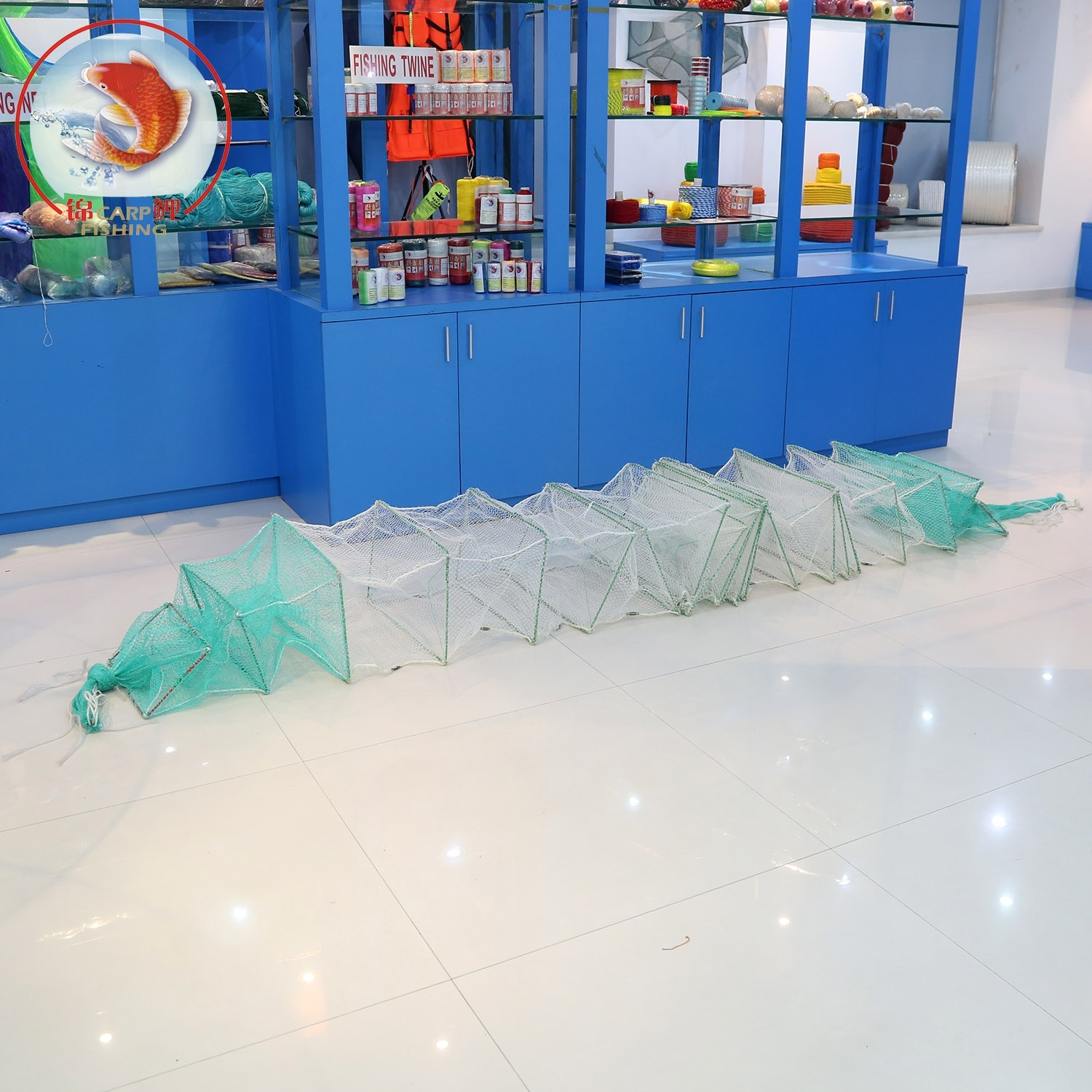
Commercial buyers can explore technical netting specifications, review available mesh configurations, and request region-specific quotations directly through the official enterprise portal at https://www.styhcarpfishing.com/ to support their ongoing fleet operations.
CARPFISHING
CARPFISHING
Legal Disclaimer:
EIN Presswire provides this news content “as is” without warranty of any kind. We do not accept any responsibility or liability
for the accuracy, content, images, videos, licenses, completeness, legality, or reliability of the information contained in this
article. If you have any complaints or copyright issues related to this article, kindly contact the author above.

Media gallery