
Key Takeaways
- A professional clean generally follows five stages: assessment, scaling, polishing, optional fluoride or Air-Flow, and aftercare advice
- Appointment types affect what a hygienist visit costs, so it helps to know what each one typically involves before booking
- Scaling removes hardened tartar that brushing and flossing cannot shift on their own
- Air-Flow polishing uses a mix of water, air, and fine powder to lift stubborn stains without harsh scraping
- A simple hygienist appointment starts from £83.00 and an extensive hygienist appointment starts from £156.00
Plaque builds up on teeth every single day, no matter how carefully someone brushes. Understanding what happens during a professional clean, and what it tends to cost in Nottingham, makes it far easier to plan visits and keep gums healthy for the long haul.
Why Plaque Needs Professional Removal
According to dental hygiene experts at Arnold Dental & Implant Centre in Nottingham, the important distinction is whether build-up is still soft plaque or has already hardened into tartar: plaque can be managed with consistent home care, while tartar requires professional removal.
Plaque is a soft, sticky film of bacteria that forms on the surface of teeth almost constantly. Left alone, it hardens into tartar, also called calculus, within a matter of days. Once that happens, a toothbrush and floss cannot shift it, no matter how vigorously someone scrubs.
Regular professional attention breaks the cycle that brushing alone cannot manage.
The Five Stages of a Clean
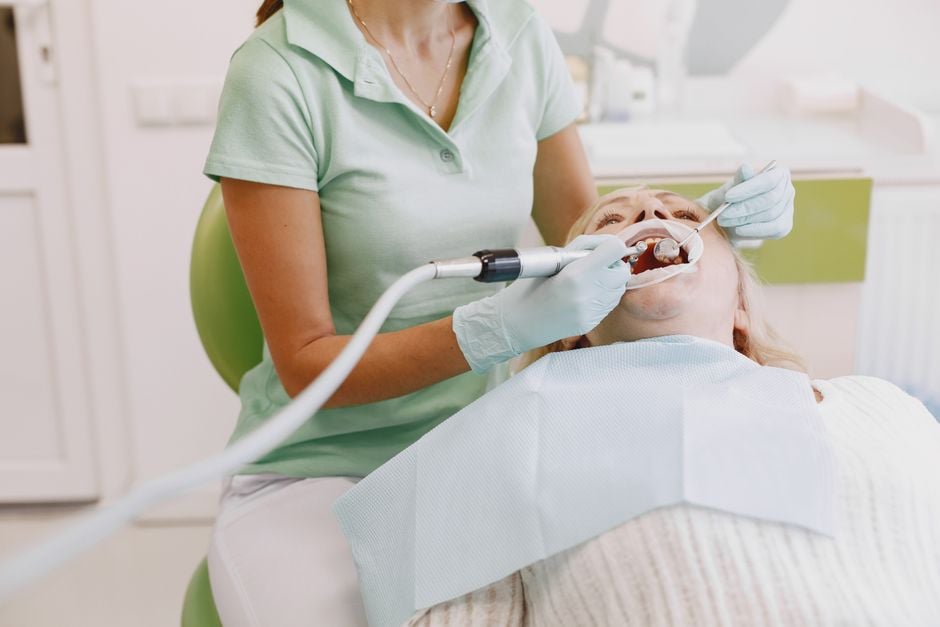
A typical hygiene appointment follows a clear sequence, moving from checking the mouth through to sending patients home with practical advice. Each stage plays a distinct role in protecting long-term oral health, and skipping any one of them would leave gaps in the overall clean.
Initial Assessment of Gums and Teeth
Every appointment begins with a close look at the gums and teeth. The clinician checks for plaque, tartar buildup, and early warning signs of gum disease, such as redness, swelling, or bleeding. This assessment shapes how the rest of the appointment proceeds, since a mouth with heavier tartar deposits may need more thorough scaling than one that has been well maintained between visits.
Scaling Away Plaque and Tartar
Scaling is the stage most people picture when they think of a dental clean. The clinician uses either an ultrasonic instrument, which vibrates gently to knock tartar loose, or fine hand tools that work above and below the gumline. This step targets areas a toothbrush cannot reach, particularly along the gumline and between teeth, where tartar tends to gather most stubbornly.
Polishing for a Smooth Finish
Once scaling is complete, a rotating brush loaded with a gritty prophylaxis paste buffs away surface stains and leaves teeth smooth. Smoother enamel matters more than it might seem, because plaque struggles to cling to a polished surface. This makes the gap until the next clean easier to manage through everyday brushing.
Fluoride and Air-Flow Add-Ons
Some appointments include extra steps depending on individual needs. Fluoride treatment strengthens enamel, can help reverse very early signs of damage, and often reduces sensitivity afterwards. Air-Flow polishing is another option worth knowing about:
- Air-Flow uses a mix of water, air, and fine powder to blast away stubborn stains that ordinary polishing might not fully shift.
- The treatment is generally considered comfortable and gentle, which suits patients who find scaling uncomfortable on sensitive teeth.
Aftercare Guidance From Your Clinician
The final stage focuses on the mouth at home rather than in the chair. The clinician demonstrates proper brushing and flossing techniques suited to individual needs, often pointing out spots that get missed during a normal routine. This personalised guidance, covering brushing pressure, flossing habits, and sometimes diet, tends to matter just as much as the clean itself for keeping plaque under control between appointments.
What Teeth Cleaning Costs in Nottingham
Prices for hygienist appointments can differ from one Nottingham clinic to the next, depending on the type of appointment booked. A simple hygienist appointment starts from £83.00, while an extensive hygienist appointment, suited to patients needing more thorough attention, starts from £156.00. A scale & polish is available from £90.00 as an extra appointment, and a new patient examination is priced at £100.00.
Payment for routine treatments is typically requested at each appointment, which helps patients keep track of costs as they go rather than facing a larger bill later. Providing clear estimates and customised treatment plans upfront avoids surprises, and it is worth asking about at any practice before booking. Because appointment types vary between clinics, it is worth checking exactly what an appointment includes before comparing prices.
Caring for Teeth After Cleaning
The hours immediately following a clean matter for locking in the results. Gums can feel a little tender, and teeth may seem more sensitive than usual, particularly if scaling reached below the gumline. This is a normal, temporary reaction that settles on its own.
Managing Sensitivity in the First Hours
Sticking to lukewarm foods and drinks for a few hours after the appointment helps avoid unnecessary discomfort, since very hot or very cold items can trigger sharp sensitivity in freshly cleaned teeth. Gentle brushing with a soft-bristled toothbrush and fluoride toothpaste is still recommended on the same day, alongside careful flossing rather than skipping it altogether. Sensitivity generally settles within a day, though anyone experiencing ongoing discomfort should mention it at their next visit.
Avoiding Stains for Best Results
Freshly polished teeth are particularly prone to picking up new stains in the first day or two, simply because the surface has just been smoothed and cleared. Steering clear of strongly staining foods and drinks, such as coffee, tea, and red wine, for at least 24 to 48 hours helps preserve that polished finish for longer. Smoking in this window has a similar staining effect and is worth avoiding where possible.
Why Regular Hygiene Visits Matter
Plaque and tartar return steadily after every clean, which is exactly why hygiene visits work best as a repeated habit rather than a one-off fix. Brushing and flossing manage the day-to-day buildup, but neither can fully replace what a hygienist achieves with specialist tools. Skipping appointments for too long allows tartar to accumulate in ways that become harder, and often more costly, to address later.
Gum disease left unchecked does not stay confined to the mouth, either. Dentists often point to links between poor gum health and more serious conditions such as heart disease and diabetes, which gives hygiene visits a role that stretches well beyond a brighter smile. Keeping appointments consistent is one of the simpler, more affordable habits available for protecting overall wellbeing.
Consistent Cleaning Protects More Than Your Smile
Bringing all five stages together, plus sensible aftercare, forms a routine that genuinely protects teeth and gums over time. Understanding what happens at each step, from the initial assessment through to the aftercare chat, takes the mystery out of hygiene appointments and makes them feel far less intimidating. Knowing roughly what to expect on cost also removes one of the more common reasons people put visits off.
For a straightforward next step, booking a dental hygiene appointment on a regular schedule remains one of the most reliable ways to keep plaque, tartar, and gum disease from taking hold.
Arnold Dental & Implant Centre
77C High Street, Arnold
Nottingham
Nottinghamshire
NG5 7DJ
United Kingdom


