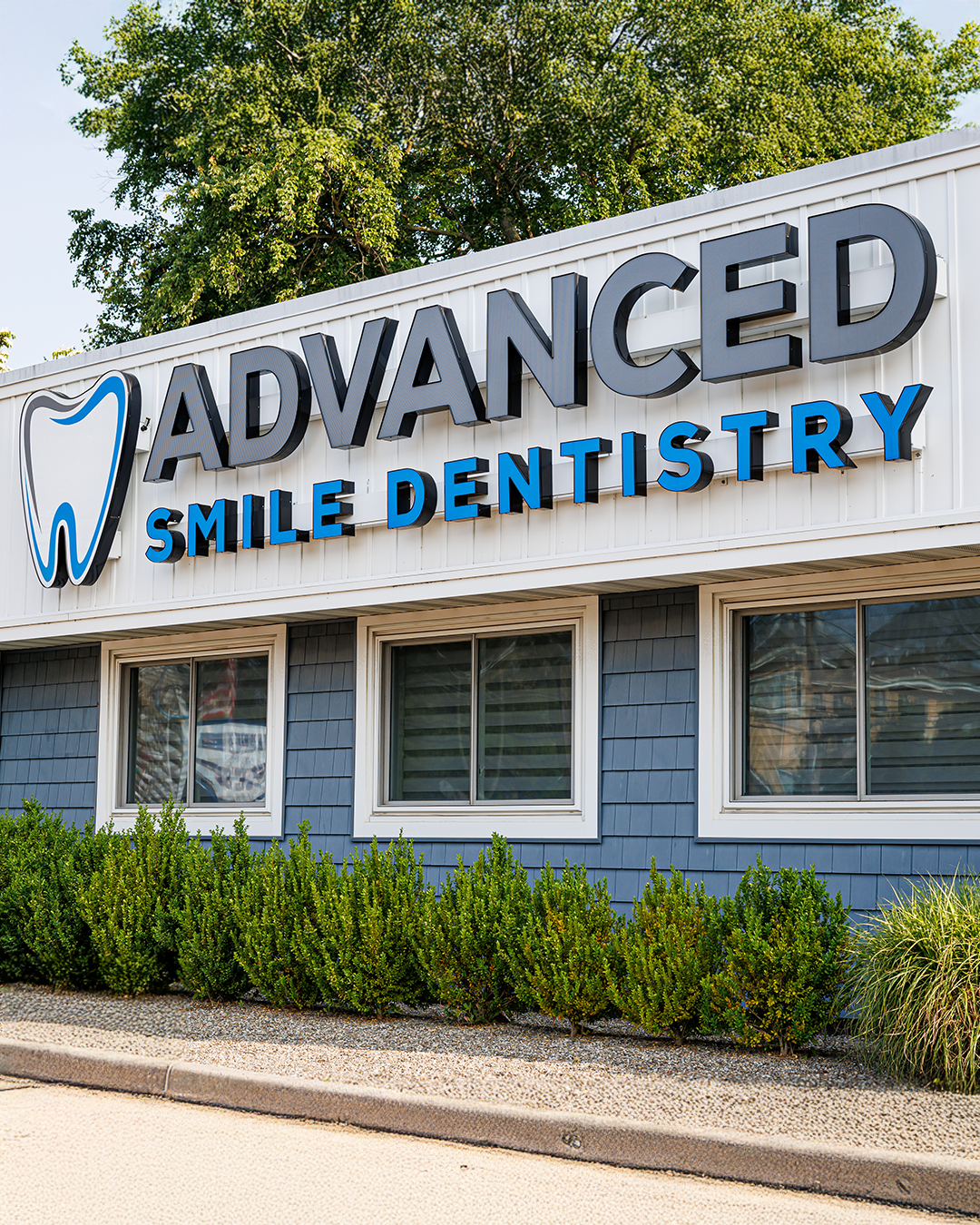
Advanced Smile Dentistry outlines how jawbone loss affects dental implant candidacy, treatment planning, and long-term implant stability.
TOMS RIVER, NJ, UNITED STATES, August 5, 2026 /EINPresswire.com/ — Advanced Smile Dentistry is helping patients understand how jawbone health influences dental implant treatment by explaining why bone loss occurs after missing teeth, how it may affect permanent tooth replacement planning, and the treatment options that may help support long-term implant success.
Many people associate missing teeth primarily with changes in appearance or chewing ability. However, one of the most important changes occurs beneath the gums. After a tooth is lost, the jawbone in that area no longer receives the stimulation normally provided through chewing. Over time, this may lead to gradual bone loss, which can influence future tooth replacement options.
Why Does Bone Loss Happen After Tooth Loss?
The roots of natural teeth help transmit chewing forces into the jawbone, supporting normal bone remodeling. When a tooth is lost, that stimulation decreases, and the surrounding bone may gradually lose volume. Because this process occurs over time, patients who delay pursuing restorative tooth replacement may experience changes in jawbone structure that can affect future treatment planning.
How Does Bone Loss Affect Dental Implant Treatment?
Bone loss does not automatically prevent patients from receiving dental implants. However, the amount and quality of available bone are important factors when determining implant candidacy and selecting the most appropriate treatment approach. During a detailed evaluation, dentists assess bone anatomy using digital diagnostics, including cone beam computed tomography (CBCT), to determine whether sufficient bone is available to support dental implants safely and predictably. Unlike traditional two-dimensional X-rays, CBCT imaging provides a three-dimensional view of the jawbone, allowing clinicians to evaluate bone volume and important anatomical structures before implant treatment.
Digital treatment planning allows clinicians to evaluate bone dimensions, identify anatomical structures, determine implant positioning, and discuss treatment options with patients before surgery.
Can Bone Loss Be Treated Before Dental Implants?
In some situations, patients with reduced jawbone volume may benefit from procedures that help prepare the implant site before implant placement. Depending on the patient’s clinical needs, treatment options may include:
Bone grafting Ridge preservation Sinus augmentation (when appropriate), and staged implant treatment planning.
Not every patient requires these procedures. Treatment recommendations are based on each individual’s oral health, anatomy, and long-term restorative goals.
How Do Dental Implants Support Jawbone Health?
Unlike removable dentures, dental implants are placed directly within the jawbone, where they function as an artificial tooth root. During normal chewing, implants transfer chewing forces into the surrounding bone through a process known as functional loading. While every patient is different, this stimulation may help support normal bone maintenance after implant placement, making dental implants different from tooth replacement options that rest only on the gums. By restoring chewing function, dental implants may also help preserve long-term oral function over time.
Does Every Patient With Bone Loss Need Bone Grafting?
No. Some patients have sufficient bone to receive implants without additional procedures, while others may benefit from bone augmentation before treatment. A thorough clinical examination and three-dimensional imaging help determine the most appropriate treatment plan for each patient.
Why Early Evaluation Matters
Patients often wait several years before replacing missing teeth. Because jawbone changes occur gradually, scheduling an evaluation soon after tooth loss may provide more treatment options and simplify future planning. Early evaluation does not necessarily mean immediate treatment. Instead, it gives patients a clearer understanding of their current bone health and allows dentists to discuss available treatment options before additional bone changes occur. Digital diagnostics allow dentists to evaluate bone structure, discuss available solutions, and develop individualized treatment recommendations based on the patient’s current oral health.
“Patients are often surprised to learn that dental implant treatment begins with understanding their jawbone health, not simply replacing the missing tooth,” said Dr. David Basar, DDS, Founder and Lead Dentist at Advanced Smile Dentistry. “Evaluating each patient’s bone support allows us to develop treatment plans that match their anatomy and long-term restorative goals.”
Supporting Long-Term Implant Success
The practice continues to educate patients about every stage of implant treatment, including jawbone health, digital treatment planning, bone grafting considerations, and full-mouth dental implant solutions. Through in-depth evaluations and personalized treatment planning, the practice helps patients understand how bone health supports long-term implant stability and function. For more information, visit https://advancedsmile.dental/dental-implants/.
About Advanced Smile Dentistry
Advanced Smile Dentistry is a dental implant practice based in Toms River, New Jersey, led by Dr. David Basar. The practice focuses on full-mouth dental implants, full-arch dental implants, implant-supported dentures, dental implant surgery, and advanced restorative dentistry. Advanced Smile Dentistry utilizes digital diagnostics, 3D imaging, and personalized treatment planning to support predictable treatment outcomes and long-term oral function. The practice is known for helping patients with extensive tooth loss, failing teeth, and complex restorative needs through comprehensive implant-based solutions and patient-centered care.
Dr. David Basar
Advanced Smile Dentistry
+1 732-561-1770
email us here
Visit us on social media:
Instagram
Facebook
YouTube
Other
Advanced Smile Dentistry Patient Testimonials
Legal Disclaimer:
EIN Presswire provides this news content “as is” without warranty of any kind. We do not accept any responsibility or liability
for the accuracy, content, images, videos, licenses, completeness, legality, or reliability of the information contained in this
article. If you have any complaints or copyright issues related to this article, kindly contact the author above.

Media gallery