
How to Spot Foundation Problems Early and Plan Your Home Inspection with Confidence
York, United States – July 6, 2026 / Crack-X Maine /
By Doug Chirichiello, CrackX
Foundation inspections detect structural issues early, improving safety and reducing repair costs. This guide explains how inspections work, common warning signs, typical costs, and scheduling to help New England homeowners protect their properties effectively.
Importance of Foundation Inspection Services
Regular inspections identify cracks, water intrusion, and settling before issues worsen. Early detection lowers repair expenses, preserves structural integrity, and secures your investment.
Common Signs of Foundation Problems
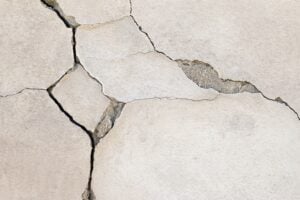 Recognize clear indicators that require professional evaluation.
- Visible Cracks: Cracks in walls, floors, or foundations suggest movement or stress.
- Water Intrusion: Persistent dampness, wet spots, or basement pooling may indicate foundation or drainage problems.
- Sticking Doors and Windows: Binding frames or widening gaps often signal shifting.
Identifying these early can prevent more extensive and costly damage.
Concrete foundation cracking often results from the material’s brittleness, environmental factors like temperature and moisture changes, and soil stresses.
Understanding Foundation Cracks: Causes, Diagnosis, and Repair Strategies
Cracking in concrete foundations arises from brittleness, thermal and moisture gradients, and external soil loads. Szymanowski and Sadowski (2023) highlight drying shrinkage, plastic settlement, thermal contraction, and structural overload as common causes. Each produces distinct crack patterns that guide diagnosis and repairs.
Costs of Foundation Inspection and Repair
Foundation inspections typically cost between $300 and $700, varying by property size and complexity. Repair expenses depend on the issue and severity, ranging from several hundred to tens of thousands of dollars.
Common services with typical cost and timeline estimates include:
Use these figures to budget and compare contractor proposals.
Scheduling Practices for Inspections
Schedule annual inspections and after major storms or soil-impacting events. Regular checks reduce unexpected repairs and maintain foundation health.
For easy scheduling, CRACK-X of New England offers local services with online booking to streamline appointments.
The Inspection Process
Foundation inspections combine visual assessments and diagnostic tools to evaluate condition and recommend repairs.
- Initial Assessments: Inspectors examine visible symptoms such as cracks and movement.
- Use of Technology: Tools like laser levels and moisture meters detect hidden shifts and moisture problems.
- Final Reporting: Inspectors provide a detailed report with findings and repair recommendations.
Identifying Foundation Cracks and Settlement Issues
Observe crack patterns and monitor changes to assess progression.
- Vertical Cracks: Often caused by settlement; wider or expanding cracks require prompt attention.
- Horizontal Cracks: Typically indicate lateral pressure from saturated soil.
- Crack Size Monitoring: Photograph and measure cracks regularly to document changes.
Why Early Detection Prevents Structural Damage
Timely repairs limit costs and scope. Ignored foundation issues can lead to significant damage and expensive fixes.
How the Foundation Inspection Process Works
Inspectors combine observation and testing to identify problems and recommend solutions.
- Foundation Integrity: Check for shifts, settlements, and structural movements.
- Soil Conditions: Evaluate soil and drainage characteristics affecting foundation stability.
This comprehensive review guides targeted, effective repairs.
Tools and Techniques Used by Licensed Inspectors
Inspectors use advanced instruments for precise diagnostics and planning.
- Moisture Meters: Detect hidden water damaging foundations.
- Laser Levels: Measure precise settlement and alignment movements.
Accurate data supports clear, prioritized repair plans.
Influence of Local New England Conditions on Inspections
Regional climate and soil types affect inspection focus.
- Freeze-Thaw Cycles: Cause soil expansion and contraction, stressing foundations.
- Soil Composition: Clay retains moisture and swells; sandy soils drain well but may settle.
Local expertise ensures tailored assessments and recommendations.
Repair and Waterproofing Services After Inspection
Post-inspection, contractors recommend repairs and waterproofing to address root causes.
Foundation Repair Services
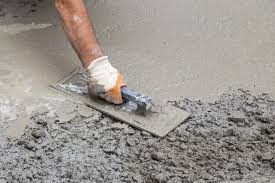 Repairs restore stability and prevent further issues.
- Crack Repair: Epoxy or polyurethane injections seal cracks and stop water intrusion.
- Foundation Stabilization: Piers or underpinning provide structural support to resist movement.
Staying informed about repair advances helps maintain foundation longevity.
Concrete Crack Repair: Advances in Maintenance and Durability
ABSTRACT: Concrete cracking in structures arises from construction quality, load stresses, and environment. Recent research integrates laboratory and practical methods to improve repair materials and strategies, enhancing durability and lifespan of concrete infrastructure.
Basement Waterproofing Benefits
Waterproofing protects foundations by reducing moisture intrusion and preserves repair investments.
- Prevents Future Damage: Limits water-related deterioration.
- Enhances Property Value: Dry basements attract buyers and improve resale potential.
Scheduling and Cost Understanding for Foundation Inspections
Plan based on maintenance needs and local risks. Understand fees and procedures for informed decisions.
Factors Affecting Inspection Costs
Costs vary with property size, visible damage, and market rates, affecting scope and pricing.
How to Schedule a Local Inspection
Choose reputable local inspectors and use online booking when possible. CRACK-X of New England offers convenient scheduling options.
Being prepared helps you protect your home proactively.
Frequently Asked Questions
1. What should I do if I notice cracks in my foundation?
If you notice cracks in your foundation, document their size and location with photos and measurements, then schedule a professional foundation inspection as soon as possible. Some cracks are cosmetic, while others may indicate structural movement, soil settlement, or water intrusion. Early evaluation helps identify the cause and prevents more expensive repairs.
2. How often should I schedule foundation inspections?
Most homes benefit from a professional foundation inspection every year. You should also schedule an inspection after severe storms, flooding, earthquakes, prolonged drought, or whenever you notice new cracks, uneven floors, sticking doors, or moisture problems. Regular inspections help detect issues before they become major structural repairs.
3. Are foundation inspections covered by homeowners insurance?
In most cases, homeowners insurance does not cover routine foundation inspections because they are considered preventive maintenance. However, some insurance policies may cover foundation repairs if the damage results from a covered event, such as a burst pipe or another insured peril. Always review your policy or contact your insurance provider for specific coverage details.
4. What happens if I neglect foundation issues?
Ignoring foundation problems can lead to larger cracks, structural movement, water intrusion, mold growth, uneven floors, and costly repairs. As foundation damage progresses, it can affect walls, doors, windows, plumbing, and your home’s overall structural stability. Early repairs are typically less expensive than waiting for significant damage.
5. Can I perform my own foundation inspection?
Homeowners can perform a basic visual inspection by looking for cracks, moisture, uneven floors, or sticking doors and windows. However, a licensed foundation inspector uses specialized equipment such as laser levels and moisture meters to identify hidden structural movement and accurately diagnose the underlying cause of foundation problems.
6. How do soil conditions affect my foundation?
Soil plays a major role in foundation performance. Expansive clay soils swell when wet and shrink during dry periods, causing foundation movement and cracking. Sandy soils generally drain better but may settle over time. Freeze-thaw cycles common in New England can also increase soil movement and place additional stress on foundations.
7. What are the risks of delaying foundation repairs?
Delaying foundation repairs allows structural problems to worsen over time, increasing repair costs and the risk of serious damage. Small cracks can expand, water intrusion may cause mold growth, and foundation movement can affect floors, walls, windows, and plumbing. Addressing problems early helps protect your home’s safety, value, and long-term structural integrity.
Protect Your Home with Expert Foundation Services
Regular foundation inspections reduce risks, lower repair expenses, and protect property value. Schedule inspections promptly to confirm foundation condition and plan necessary repairs.
Trust CRACK-X for foundation repair, basement waterproofing, epoxy crack injection, crawl space repair, and moisture solutions across New England. Serving New Hampshire, Merrimack Valley, and Southern Maine. Contact us today to schedule your inspection and safeguard your home.


Contact Information:
Crack-X Maine
647 US-1 14
York, ME 03909
United States
Doug Chirichiello
(207) 618-9380
https://crackx.com/


